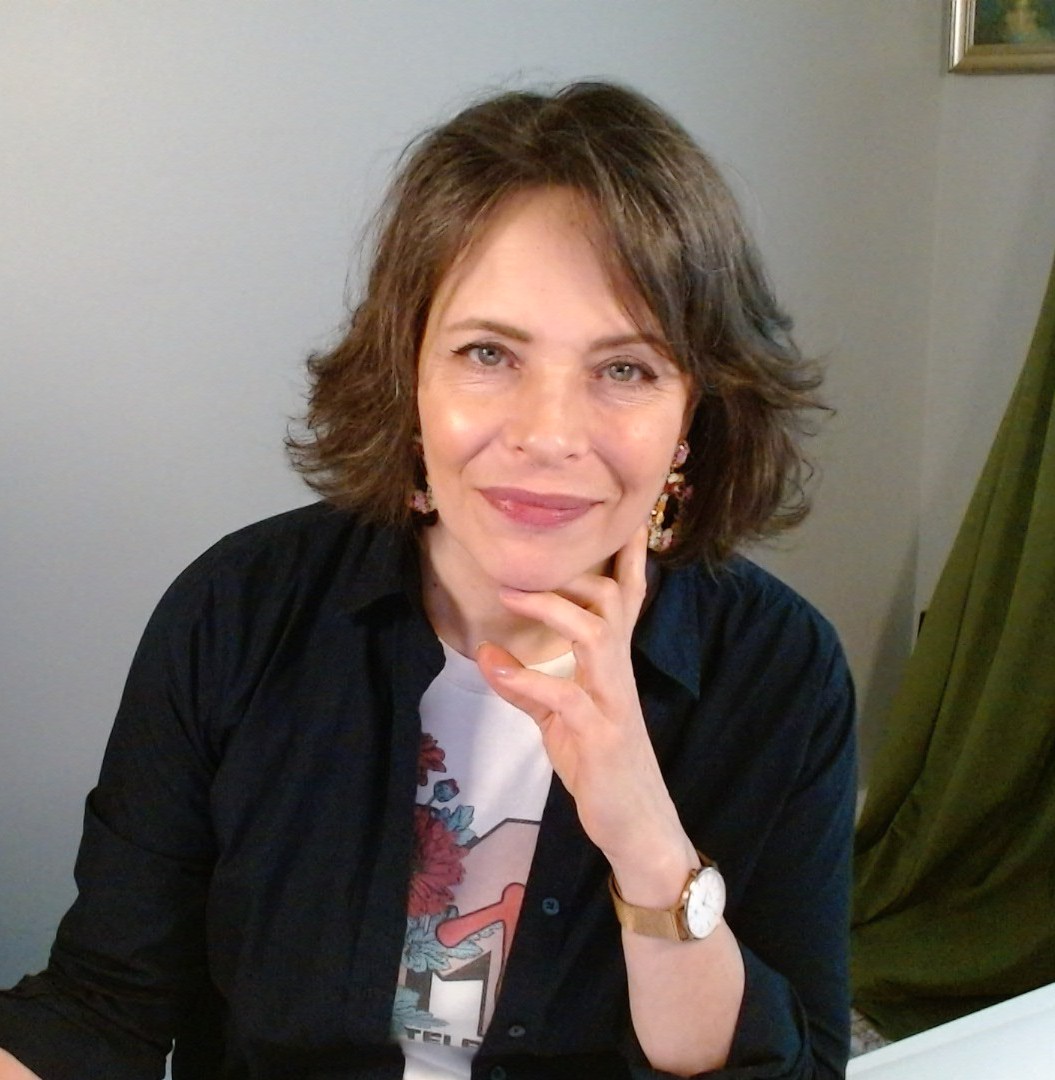
Alisia Ives, MS, LPC at Status Therapy, LLC
Hello! I have been counseling people for nearly twenty years, most of that time in private practice. I am a native Pennsylvanian, and my family has deep generational roots here. I called Maine home for almost 19 years. The trees and easy access to shoreline were a joy. Looking out to the ocean, it as though the heart and mind expand.
When the COVID 19 illness came calling, people went looking for open space, and arrived in large numbers in Maine. Some folks with the funds to do it bought entire golf courses to make their own. It was time for me to find a new home. It had been on my mind before, and this provided a slow catalyst for the change. I had to pull myself up by my bootstraps and refocus away from fears to make that big move. And things keep popping up even after the ‘big move’ part is done.
My friends and the nature of Maine have not left my mind, but it has been a joy to be back among the foliage and animals of childhood. Mayapple (aka Mandrake) plants on the forest floor remind me of peeking under the leaves as a child looking for their one flower or inedible fruit. The whole plant looks tropical and lush on the forest floor, but it is poisonous to humans.
I attended the University of Delaware for my undergraduate degree and earned my Masters in Clinical Mental Health Counseling from the University of Maine system. Before shifting to counseling I worked as a trust officer in personal banking. The knowledge gained in the financial field adds to the perspective in meeting with folks. As does the time spent working in a corporation like so many of my clients. It adds the insight of that type of workplace and challenges people can face, as well as supports a larger company offers.
Feeling good in your own skin, and holistic health are keys to a more peaceful life. When we meet, you will share about the whole you.
Treatment Approach
I use a variety of approaches referred to as eclectic therapy to address my clients’ unique needs. How you think, feel and behave are key to your experience in life. Self-discipline, being able to be active in movement, and be still (sit still, be alone without a smartphone for periods), enrich life.
Research supports the practice of self-compassion and mindfulness in your daily life including psychotherapy. Neuroscience research tells us that people who practice these techniques are happier, more resilient, and better equipped to put the past in the past, and deal with what happens in the present. Furthermore, there are types of treatment that have been used without a lot of talking that have proven helpful to people.
Talking therapy can stir up unpleasant feelings at first. This is normal. In fact, as you become accustomed to this internal pushback when making changes, you will recognize it and learn you’ve got what it takes to see the change through. I encourage people to lean into, and become accustomed to, this feeling of discomfort. And notice the feeling of more peace, joy or satisfaction once you come to the other side of it. It is no different from using a new muscle and finding it is not as powerful as you would like it to be, and having some soreness when you have worked it more than you usually do.
Charles Darwin, a biologist who presented the theory of natural selection, tells us it is not how smart you are, or how fit you are, but how well you adjust to change that equates to survival. I want to help you feel confident in handling the changes life inevitably brings.
“Hope is about being able to see there is a light despite all of the darkness.” – Desmond Tutu, Anglican Bishop
“The more clearly one understands what must be done, the greater the energy and motivation that exist for doing it.” – William Onken, Jr.
Education & Credentials:
- License #: PC018250
- License State: PA
- Practicing Since: 2006
- Education: Master of Science in Clinical Mental Health Counseling from the University of Southern Maine
Bachelor of Arts in Interpersonal and Organizational Communication from the University of Delaware